
Key Takeaways
- Treadmill interval training alternates high-intensity bursts with active recovery, and a 25-minute session can burn more calories and improve fitness faster than a much longer steady jog.
- In one studied HIIT group, VO2 max rose from 32.1 ± 3.8 to 39.5 ± 4.2 mL/kg/min, a larger gain than continuous moderate cardio typically produces.
- Incline-based interval walking can shift the body toward burning more fat while producing a heart-rate response similar to flat-ground running, with far less joint stress.
- A structured interval plan builds both explosive strength and cardiovascular endurance at the same time, something steady-pace cardio rarely accomplishes.
- A simple 25-minute sprint blueprint, detailed further below, makes high-intensity training realistic even for the busiest schedules.
A quick sprint session on the treadmill can pack more punch than an hour-long jog, and understanding why makes it easier to stick with a workout plan. Interval training works by alternating short bursts of near-maximum effort with easier recovery periods, a pattern that pushes the heart and muscles in ways steady, single-speed cardio simply cannot match. For anyone juggling a packed schedule, this style of training turns a treadmill into one of the most efficient tools available for building fitness, burning fat, and protecting the heart.
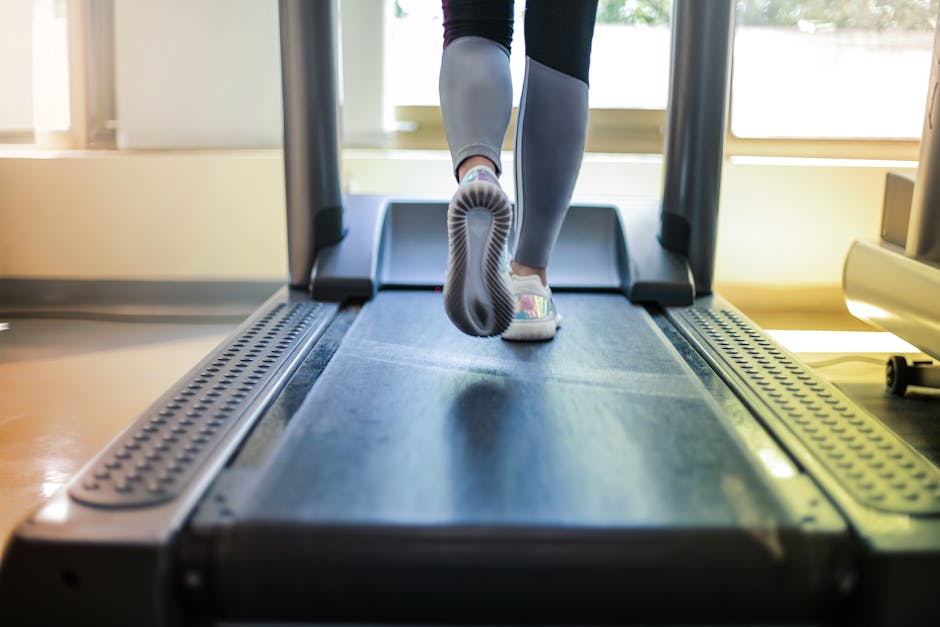
Treadmills built for this kind of work give sprinters the responsive speed and incline controls needed to move smoothly between hard efforts and recovery.
Sprint Intervals Deliver Results Fast
Sprint intervals get results because they force the body to adapt quickly to repeated, intense demands. Instead of cruising along at one pace for 45 minutes, a sprint workout asks the legs and lungs to hit a hard effort, back off, and do it again several times in a row. That repeated stress-and-recovery cycle is what triggers many of the physical improvements people chase: better endurance, a leaner body composition, and a stronger cardiovascular system.
A typical structure looks like sprinting for 20 to 30 seconds at a hard effort, then easing off for one to two minutes before repeating the cycle. This pattern shows up again and again in interval research and coaching guidance because it strikes a workable balance between intensity and recovery. Most complete HIIT treadmill sessions land somewhere between 15 and 25 minutes, warm-up and cool-down included, which makes the format realistic for anyone trying to fit exercise around work, family, or other commitments.
Why Interval Training Beats Steady Cardio
Steady-state cardio has its place, but interval training tends to outperform it on several fronts that matter most to busy exercisers. The difference comes down to how the body responds to variable intensity versus a single, constant pace held for a long stretch of time.
Higher Calorie Burn in Less Time
Pushing the heart rate into higher zones during sprint bursts, then allowing it to recover before the next push, creates a more demanding overall workout than jogging at one pace the entire time. This pattern is what allows a 20-minute interval session to rival or exceed the calorie burn of a much longer steady run. Research comparing high-intensity interval training with moderate-intensity continuous training has found interval formats more time-efficient at reducing whole-body fat mass and waist circumference in people carrying excess weight, which speaks directly to why so many trainers recommend intervals for anyone short on time.
Boosting VO2 Max and Aerobic Capacity
VO2 max measures how efficiently the body uses oxygen during exercise, and it stands as one of the clearest markers of cardiovascular fitness. In one studied HIIT group, VO2 max climbed from 32.1 ± 3.8 to 39.5 ± 4.2 mL/kg/min, a larger jump than continuous moderate training typically produces. That improvement translates into real-world gains: less breathlessness on stairs, faster recovery between hard efforts, and more stamina for everyday activities.
Metabolism Stays Elevated After You Stop
One of the more appealing perks of sprint-style training is what happens after the treadmill stops. The body continues working harder than usual for hours following a hard interval session, keeping calorie burn elevated well past the workout itself. A fixed-pace, 45-minute jog rarely produces this same lingering effect, which is part of why interval training has become a go-to strategy for people focused on fat loss, beyond simply counting calories burned during the session itself.
The Science Behind Fat Loss Gains
Fat loss depends on more than just how many calories a workout burns in the moment; it also depends on how the body metabolizes fat during and after exercise. Interval training influences both sides of that equation. Research has linked regular HIIT sessions that include incline changes to a measurable decrease in body fat percentage over time, and running-based interval protocols have shown a stronger effect on abdominal fat mass loss specifically than cycling protocols, likely because running engages more muscle mass and burns more total energy.
Incline Intervals Shift Fat Metabolism
Adding incline to a sprint interval session is one of the simplest ways to increase the workout’s demand without increasing speed or impact. Walking at a steep incline can produce a cardiovascular workload similar to running at a much faster pace, but with far less pounding on the joints. A 12% incline walked at 3 miles per hour, for example, can generate a workload comparable to running at 5.5 to 6 miles per hour on flat ground, and a 15% incline at 3.5 miles per hour can burn calories comparable to running at 5 to 6 miles per hour, all while putting noticeably less stress on the knees and ankles. That incline work also appears to shift the body toward burning more fat for fuel, even when total calories burned end up similar to a flatter, faster run.
Building Muscle and Endurance Together
Sprint intervals do more than train the heart and lungs. They also challenge muscles in ways that steady cardio rarely does, making the treadmill a surprisingly effective tool for building strength alongside stamina.
Fast-Twitch Fibers Fuel Explosive Strength
Sprinting recruits fast-twitch muscle fibers, the fibers responsible for quick, powerful movements and much of the muscle definition many exercisers want to build. These fibers tend to stay underused during slow, steady jogging, which mostly relies on slower, more fatigue-resistant fibers instead. Repeated sprint efforts, especially through the legs and glutes, give those fast-twitch fibers a reason to grow stronger and more responsive over time.
Cardiovascular Endurance Climbs Over Time
Endurance and explosive strength might seem like opposite goals, but interval training builds both at once. Alternating hard sprints with recovery periods trains the heart to shift quickly between high and low demand, a skill that carries over into better stamina for runs, hikes, sports, and daily activity. Over weeks of consistent sprint intervals, most people notice they can push harder for longer before their heart rate climbs to an uncomfortable level, a sign that cardiovascular efficiency is genuinely improving.
Structuring a Time-Efficient Sprint Session
A good interval session does not need to be complicated to be effective. What matters most is a clear plan, a proper warm-up, and enough recovery between hard efforts to keep form solid. Precise control over speed and incline makes it far easier to move cleanly between a sprint and a recovery pace, which is part of why home treadmills with responsive controls have become popular for this kind of training.
A 25-Minute Interval Blueprint
A simple, effective sprint workout can fit into a 25-minute window without cutting corners on quality. One tested structure looks like this:
- Warm up for 5 minutes at an easy walk or jog with no incline.
- Push into a high-intensity burst for 1 minute at 85 to 90 percent effort.
- Recover for 2 minutes at a comfortable, easy pace.
- Repeat the burst-and-recovery cycle for 6 total rounds.
- Cool down for 4 minutes, gradually slowing to a relaxed walk.
This structure can be adjusted as fitness improves, whether that means adding incline to the burst phases, shortening the recovery windows, or extending the number of rounds. Most experts suggest limiting true high-intensity sessions like this to two or three times a week, with at least 48 hours of recovery between sessions, to give muscles and joints time to adapt without breaking down.
Efficiency Makes Intervals Worth the Effort
Treadmill sprint training earns its reputation for a straightforward reason: it delivers meaningful cardiovascular, metabolic, and muscular benefits in a fraction of the time that steady-state cardio requires. Whether the goal is a leaner body, a stronger heart, or simply getting more out of a limited workout window, alternating hard bursts with recovery has consistent research support behind it. The format also tends to keep workouts feeling fresh, since varying pace and incline breaks up the monotony that often comes with long, single-speed cardio sessions.
For anyone ready to put this approach into practice, a solid home setup with reliable speed and incline response can make each interval feel controlled rather than chaotic. Consider building a routine around treadmill sprint workouts to turn a short daily window into a consistent, results-driven habit.
SOLE Fitness
56 Exchange Pl.
Salt Lake City
UT
84111
United States


