Smart Power Safety Checks to Keep Your Home Running Smoothly All Year
Effingham, United States – April 9, 2025 / Viper Electric of the Pee Dee /
Owning a home comes with a long list of responsibilities, and one that is often overlooked is seasonal electrical maintenance. Whether it’s keeping your family safe or ensuring your systems are running efficiently, maintaining your electrical system throughout the year is crucial. Ignoring it can lead to unnecessary power outages, increased energy bills, or even dangerous hazards like electrical fires. By performing a few seasonal tasks, homeowners can avoid costly repairs and extend the life of their electrical components. Here’s how to stay on top of your electrical system through every season.
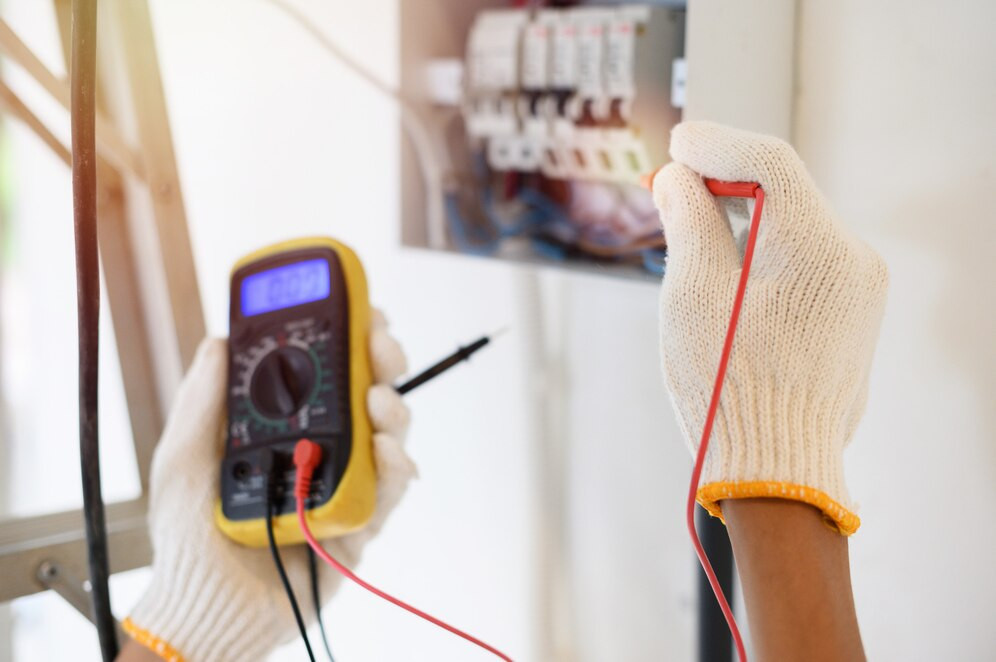
As temperatures begin to rise and winter becomes a memory, spring is the perfect time to inspect and clean your electrical system. Begin by testing all outlets and light switches throughout your home. If any feel warm to the touch, spark, or don’t work consistently, it’s time to call a licensed electrician. Check your circuit breakers for any signs of corrosion or rust, which can be indicators of moisture problems.
GFCIs (Ground Fault Circuit Interrupters), especially those located in bathrooms, kitchens, and outdoor areas, should be tested every spring. These devices are crucial for preventing electrical shock, especially in areas where water and electricity are in close proximity. Press the “test” button and then the “reset” button to ensure they’re working properly.
Spring is also a great time to inspect outdoor electrical components. Look at any exposed wiring in your yard, particularly around sheds, pools, and lighting fixtures. Winter can be harsh, and things may have become damaged by snow or ice. Replace any cracked or frayed wires and consider upgrading to weatherproof options if you haven’t already.
Summer brings hot temperatures and heavy use of air conditioners, ceiling fans, and outdoor lighting. This extra demand on your electrical system means you need to ensure everything is up to par.
Start by giving your HVAC system a quick electrical inspection. While most people focus on cleaning or changing air filters, few think about the wiring that powers the system. Make sure the power connections are tight and there are no signs of wear or overheating. If your A/C seems to be tripping the circuit breaker often, it may be drawing more power than your wiring can handle.
Check extension cords and outdoor outlets being used for fans, lights, or pool equipment. Extension cords should only be a temporary solution and never run under rugs or through windows and doors where they can be pinched or damaged. Outdoor outlets should be equipped with covers and GFCI protection.
Summer is also storm season in many parts of the country. Power surges caused by lightning can do serious damage to electronics and appliances. Installing a whole-house surge protector is a smart investment. It acts as a gatekeeper, protecting everything in your home from sudden spikes in voltage.
When leaves start falling and temperatures begin to drop, it’s time to shift your focus to preparing your home for winter. Electrical systems often bear a heavier load during the colder months, so fall is ideal for performing a system-wide check.
Inspect space heaters and electric blankets before using them. These devices are among the top causes of home fires during the winter. Make sure cords aren’t frayed and that there’s no visible damage. Never plug space heaters into power strips or extension cords — they should always be plugged directly into a wall outlet.
Now is also the time to check your smoke detectors and carbon monoxide alarms. Replace batteries, test each unit, and replace any devices older than 10 years. With windows closed and heaters running, the risk of carbon monoxide poisoning rises.
Look around the attic and basement for signs of rodent activity. Rodents love chewing on electrical wires, which can pose serious risks. If you notice chew marks or frayed wires, call a professional for inspection and repair.
In winter, electricity becomes even more vital — it’s not just about comfort but also safety. Heating systems, holiday lights, and long nights mean your electrical system works overtime. Take the time to review your electrical panel. Make sure it’s labeled clearly so you can quickly identify circuits in an emergency.
If you plan to hang holiday lights, use lights and extension cords rated for outdoor use, and never overload circuits. Timers are a great way to reduce the load on your system and cut down on energy use.
Winter is also a great time to think about energy efficiency. Consider replacing older bulbs with LED alternatives and look into programmable thermostats that can help lower your electric bills. Keep furniture away from vents and radiators to allow for better airflow and less strain on your heating system.
During snow or ice storms, be prepared for power outages. Keep flashlights and fresh batteries accessible, and avoid using candles for lighting due to fire risks. If you use a generator, make sure it’s installed correctly and used outdoors only to prevent carbon monoxide poisoning.
FAQ’s
How often should I have a professional inspect my home’s electrical system?
It’s recommended to have a licensed electrician perform a comprehensive inspection every 3 to 5 years. However, if your home is older than 40 years, or you’ve added new appliances or major renovations, it’s wise to schedule an inspection sooner.
What are the signs of an electrical problem in the home?
Common signs include frequent tripped breakers, flickering lights, warm outlets, burning smells, or buzzing sounds from outlets or switches. Any of these should be inspected immediately by a qualified electrician.
Is it safe to do electrical maintenance myself?
Basic tasks like testing outlets or changing light bulbs are generally safe. However, anything involving wiring, panel inspection, or major component replacement should always be handled by a licensed electrician.
How can I reduce my electricity usage seasonally?
Each season offers unique opportunities to save energy. In summer, use fans and blinds to keep cool. In winter, insulate windows and use space heaters wisely. Upgrading to Energy Star-rated appliances and using LED lighting can also cut down costs year-round.
Should I worry about electrical issues in newer homes?
Yes, even newer homes can experience issues due to poor installation, material defects, or overloading circuits with modern appliances and technology. Regular checks help ensure everything is functioning safely and efficiently.
Your home’s electrical system is a critical part of its infrastructure, and maintaining it seasonally isn’t just a matter of efficiency — it’s a matter of safety. By making electrical maintenance part of your spring cleaning, summer prep, fall inspections, and winter readiness, you’re protecting your home, your family, and your peace of mind. And when in doubt, always consult a professional electrician to handle tasks beyond your comfort or skill level. With a bit of proactive effort, you’ll keep things running smoothly all year long.
Contact Information:
Viper Electric of the Pee Dee
2508 E Effingham Hwy
Effingham, SC 29541
United States
Heath Strawn
https://viperelectricpeedee.com/


Original Source: https://viperelectricpeedee.com/media-room/#/media-room


